Are you looking for a place where you can grab dinner, stroll through a park, and be back home in just a few minutes? Living near downtown Plymouth offers that kind of everyday convenience, along with historic character and a strong sense of place. If you are thinking about buying or selling in this part of Metro Detroit, it helps to understand what makes the area special, what kinds of homes you may find, and how the local market behaves. Let’s dive in.
Why downtown Plymouth stands out
Downtown Plymouth has a smaller scale that many buyers find appealing. The city had 9,370 residents in the 2020 Census, which helps explain why it often feels personal and easy to navigate. In a region with many larger communities, that intimate size is part of its appeal.
The heart of downtown centers on Kellogg Park. From there, you can move into nearby streets with sidewalks, mature trees, and well-kept homes that support the area’s classic small-town feel. This setting creates a lifestyle that feels connected without feeling rushed.
Historic character also plays a visible role in daily life. Local landmarks include the Baker House, Wilcox House, Penniman Buildings, Curtiss House, and the Penn Theatre. The Penn Theatre, a 402-seat single-screen venue, adds another layer of local identity with films, community events, and occasional live performances.
Everyday life near downtown
One of the biggest benefits of living near downtown Plymouth is that the area functions as more than a weekend destination. The downtown district includes about 100 shops, along with restaurants, apparel stores, salons, and spas. That means your daily routine can include practical errands, dining, and entertainment without needing to go far.
The city and Downtown Development Authority also support a full calendar of events throughout the year. Festival season begins with the Plymouth Ice Festival in January and includes Art in the Park in July. Other recurring events include Downtown Fridays, the Farmers Market, Fall Festival, holiday parades, and Music in the Air summer concerts.
For many buyers, that steady rhythm of activity helps shape how the area feels year-round. You are not just choosing a home. You are choosing a setting where public spaces and local events remain part of everyday life.
Parks and outdoor access
Plymouth offers a strong park network for a city of its size. The city lists 16 parks, including Kellogg Park, Starkweather Park, Tonquish Creek Nature Walk, and Veterans Memorial Park. A portion of Hines Park also lies within city limits.
This mix of downtown activity and nearby green space is one reason the area feels so livable. You can spend part of your day in the center of town and still have easy access to trails, open space, and quieter neighborhood streets. That balance matters if you want both convenience and breathing room.
Walkability and layout
According to the city’s planning documents, downtown and Old Village are among Plymouth’s best examples of walkable design and mixed use. The downtown core supports pedestrian access to businesses, restaurants, entertainment, and upper-level residential space. Much of the core is also served by centralized parking.
For buyers, that translates into a more flexible routine. Depending on where you live, you may be able to walk to a meal, an event, a park, or a local shop with ease. That kind of access is often a major factor when people focus their search near the center of Plymouth.
What homes near downtown look like
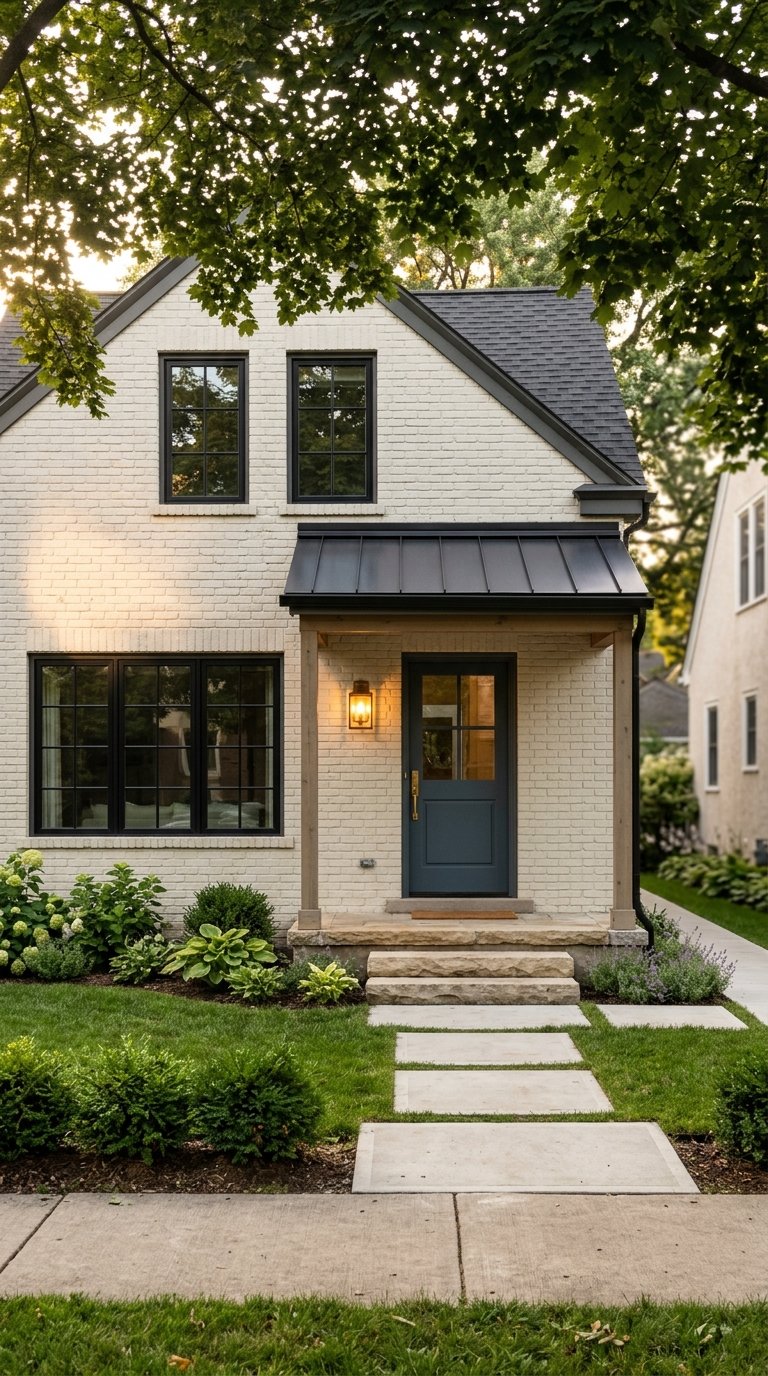
If you picture older neighborhood charm, the areas connected to downtown Plymouth often fit that image. The city’s master plan describes core single-family neighborhoods arranged on a traditional grid, often with small lots, front porches, detached rear garages, and scattered duplexes. These details help give the area its established and recognizable character.
That said, downtown Plymouth is not limited to one housing style. Buyers may find historic houses on nearby residential streets, condominiums, duplexes, triplexes, townhouses, small apartment buildings, and even upper-level residential units above retail in the downtown core. Old Village also includes a mix of single-family homes, apartment buildings, and condominium groups.
This variety is important because it opens the door to different lifestyles and maintenance preferences. Some buyers want the feel of an older house close to downtown activity. Others prefer a lower-maintenance condo or an attached home that keeps exterior upkeep to a minimum.
What this means for buyers
If you are home shopping near downtown Plymouth, flexibility can help. Style, layout, and pricing may shift significantly from one block to the next and from one property type to another. A condo near downtown may offer a very different experience from a historic home on a tree-lined street a few blocks away.
It is helpful to think about your priorities before you start touring homes. Ask yourself whether you want:
- Walkable access to shops and restaurants
- Historic details and classic neighborhood character
- Lower-maintenance living
- Proximity to parks and public events
- A home style that feels more urban, traditional, or somewhere in between
When you get clear on those lifestyle goals, your search becomes much more focused.
What the market looks like
Plymouth’s housing market has shown solid demand. Realtor.com’s April 2026 market summary reported a median listing price of $526,950, a median sold price of $474,000, 137 homes for sale, and a median of 31 days on market. The same report described Plymouth as a seller’s market, with homes selling for about asking price on average.
For downtown Plymouth specifically, inventory was very limited in that snapshot, with only 5 homes for sale. That matters because a small sample can make pricing look less predictable. In a tight downtown market, prices may move higher or lower depending on the mix of available condos, historic homes, and upper-level units at any given time.
The practical takeaway is simple: downtown Plymouth does not follow a one-size-fits-all price pattern. The broader city market gives you useful context, but close-to-downtown values can vary based on inventory, condition, property type, and exact location.
Who tends to like living here
Downtown Plymouth’s mix of amenities and housing types can appeal to a wide range of buyers. If you enjoy having restaurants, events, parks, and local shops close by, the area offers a lifestyle that feels active without being overwhelming. The availability of both single-family and lower-maintenance housing also gives buyers more than one path into the market.
In practical terms, living near downtown may work well for:
- Buyers who want a walkable daily routine
- People who enjoy local events and seasonal festivals
- Those looking for an older home with character
- Buyers who prefer condos or other lower-maintenance options
- Relocating buyers who want a strong sense of place in a smaller city setting
The right fit depends on how you want to live day to day. That is why it helps to look beyond square footage and think about how the neighborhood supports your routine.
Tips for buying near downtown Plymouth
If you are considering a move near downtown, a thoughtful approach can make a big difference. Limited inventory, housing variety, and block-by-block differences mean you will want to evaluate each opportunity carefully.
A few smart steps include:
- Define your must-haves before new listings appear
- Compare property types, not just price points
- Consider how close you want to be to the downtown core
- Pay attention to maintenance needs in older homes
- Review current market conditions before making an offer
This is where local guidance becomes especially valuable. In a market with mixed housing stock and limited downtown availability, clear advice can help you avoid making decisions based only on broad citywide numbers.
Why local guidance matters
Buying or selling near downtown Plymouth often involves more nuance than buyers first expect. A charming older home, a condo, and an upper-level downtown residence may all compete within the same general area, but they can offer very different value, upkeep, and lifestyle tradeoffs.
That is why a consultative approach matters. You want someone who can help you understand the local setting, interpret the market in context, and align your search or sale with your real goals. Whether you are relocating, moving up, or downsizing, strong guidance can help you move forward with confidence.
If you are exploring homes near downtown Plymouth or thinking about selling in the area, Deby Gannes offers experienced, high-touch guidance tailored to your goals. Schedule a Free Consultation to talk through the market, your options, and the next right step.
FAQs
What is downtown Plymouth known for?
- Downtown Plymouth is known for Kellogg Park, historic landmarks, seasonal festivals, local shopping and dining, and a walkable small-city feel.
What types of homes are available near downtown Plymouth?
- Near downtown Plymouth, you may find single-family homes, duplexes, triplexes, townhouses, condominiums, small apartment buildings, and upper-level residential units in the downtown core.
Is downtown Plymouth walkable for daily activities?
- Yes. The city’s planning documents describe downtown Plymouth and Old Village as walkable areas with access to businesses, restaurants, entertainment, and residential spaces.
How many parks are in Plymouth, Michigan?
- The city lists 16 parks, including Kellogg Park, Starkweather Park, Tonquish Creek Nature Walk, and Veterans Memorial Park, with part of Hines Park also within city limits.
What is the Plymouth, Michigan housing market like?
- In April 2026, Plymouth had a median listing price of $526,950, a median sold price of $474,000, 137 homes for sale, and a median of 31 days on market. Realtor.com described it as a seller’s market at that time.