Craving more space, privacy, and a refined lifestyle within easy reach of Metro Detroit? If you are weighing a move to Bloomfield Hills, you likely want clarity on what “estate living” really looks like, how the market is behaving, and how it compares with nearby Birmingham. You will find a wide range of lots, classic and contemporary architecture, respected school options, and a club‑centric social scene. This guide breaks down the essentials so you can shop with confidence and shape a plan that fits your goals. Let’s dive in.
What estate living means here
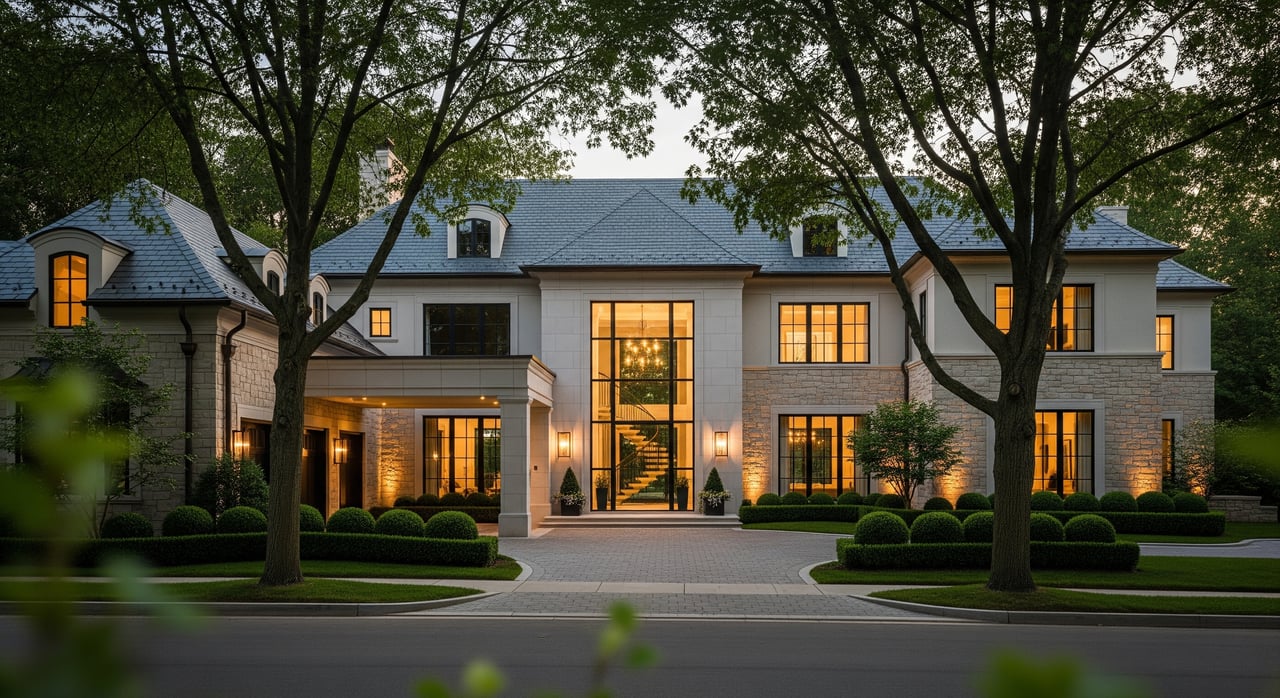
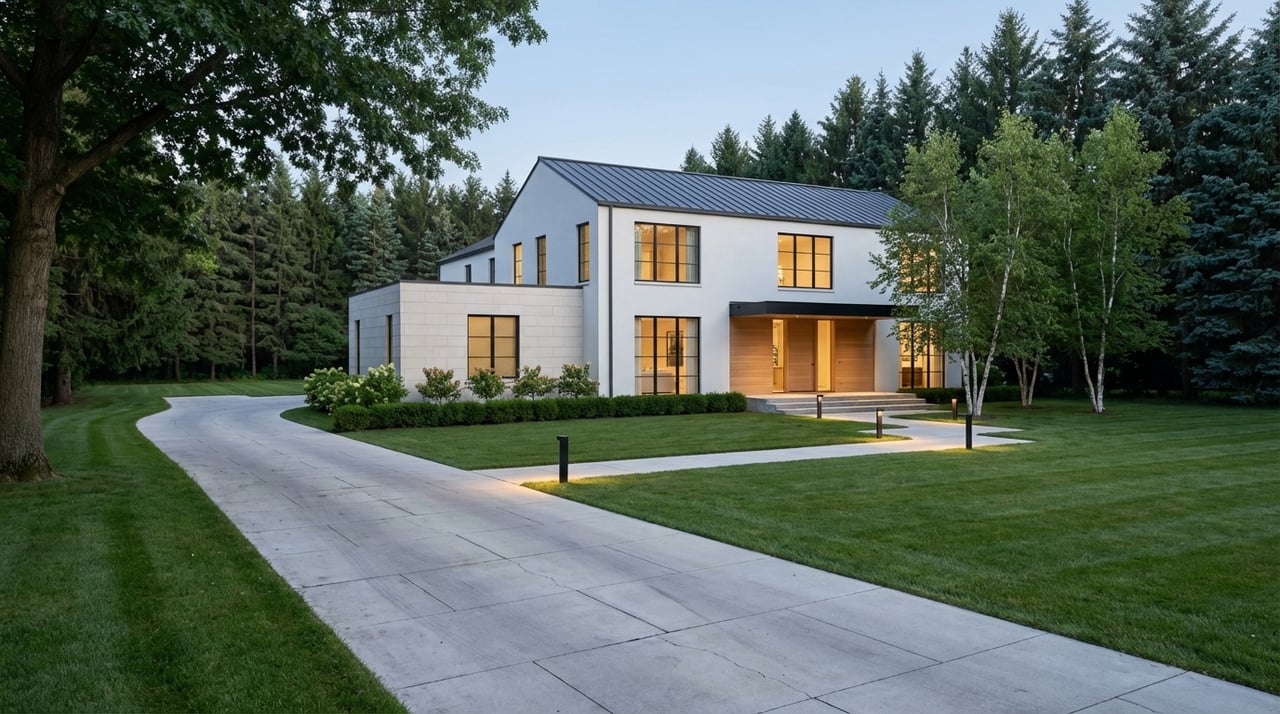
Bloomfield Hills blends traditional luxury with plenty of green space. Many residential blocks feature larger parcels and mature trees, which set the stage for privacy, outdoor entertaining, and long‑term value.
Lot sizes and parcels
Expect a mix of lot sizes. In many neighborhoods, parcels commonly fall in the 0.3–0.8 acre range. True estate parcels of 1–3+ acres do exist, but they are rarer and often clustered near legacy properties or select enclaves. Local zoning supports this pattern: the Bloomfield Township zoning ordinance sets single‑family minimum lot areas in the tens of thousands of square feet, which maps to the half‑acre feel many buyers want. You can review minimums in the township’s summary of lot‑area categories for helpful context by district at the Bloomfield Township zoning ordinance summary.
Architecture and design character
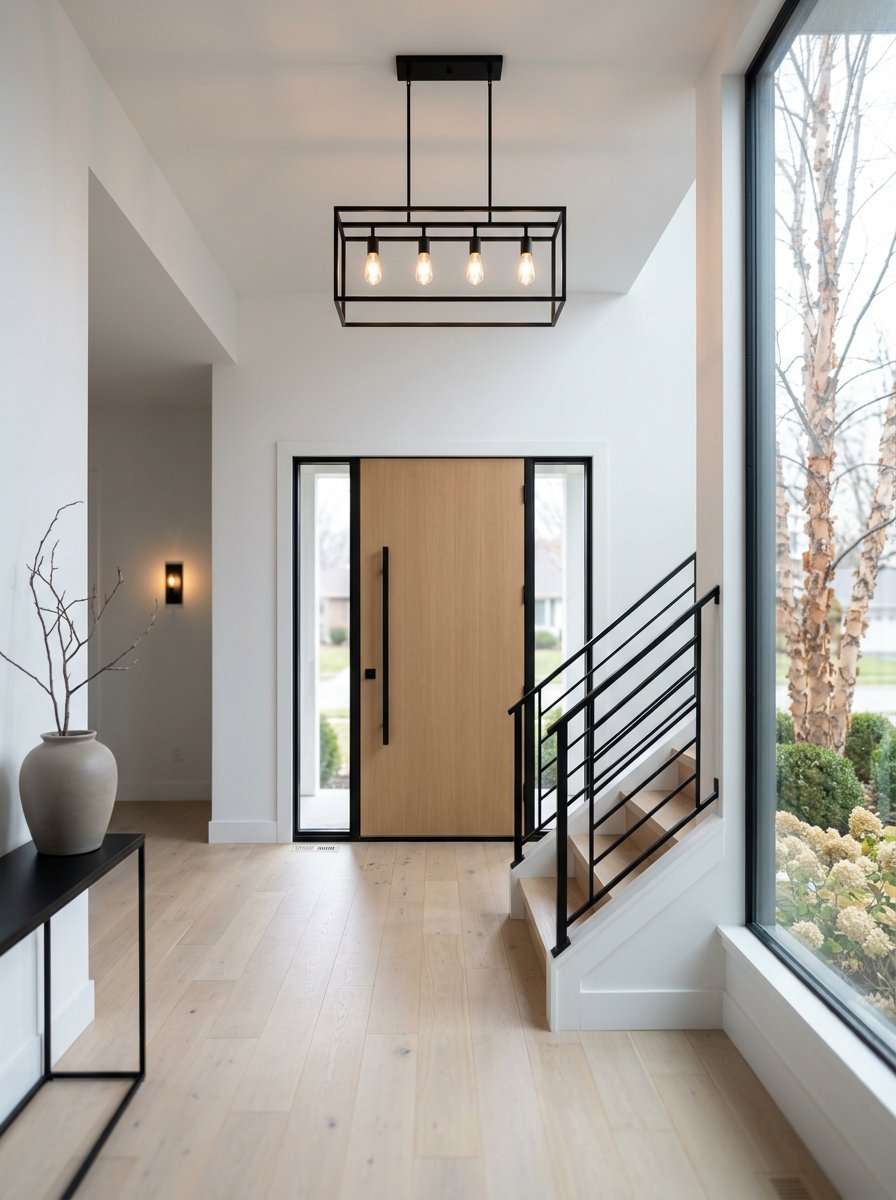
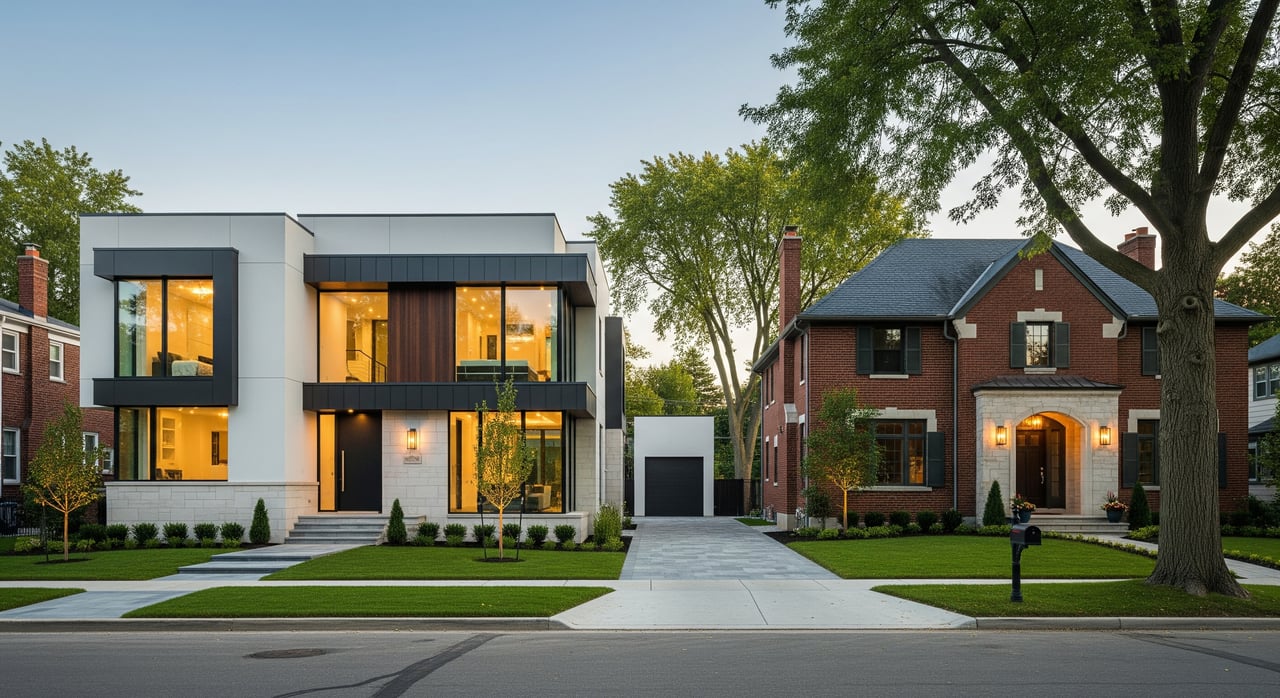
Architecture here reflects a long tradition of custom, architect‑led homes. The Cranbrook Educational Community has shaped local taste with its National Historic Landmark campus and design legacy, reinforcing demand for Georgian and Colonial classics, Tudor estates, and modern or mid‑century homes with thoughtful updates. Explore the setting that inspires much of the area’s aesthetic at the Cranbrook Educational Community.
Neighborhood snapshots
Classic estate pockets
Areas near the Cranbrook campus and select pockets across the city showcase larger parcels and custom builds. Prices in these enclaves tend to sit at the higher end of the local spectrum, especially in prestigious neighborhoods. For example, Bloomfield Village has recently shown neighborhood‑level medians around the million‑plus mark.
Family‑scale luxury streets
You will also find many streets with 0.3–0.6 acre parcels and mid‑ to upper‑tier single‑family homes. These areas often attract move‑up buyers who want yard space, privacy, and room to renovate without stepping into ultra‑estate price brackets.
Near‑Birmingham convenience
If you value proximity to a vibrant downtown, consider Bloomfield Hills addresses close to Birmingham’s border. You gain quick access to boutiques and dining while keeping Bloomfield Hills’ larger‑lot feel. Keep in mind that walkability varies block to block; Bloomfield Hills is primarily suburban and car‑oriented.
Schools and learning
Public and magnet options
Many buyers shortlist Bloomfield Hills for its public school offerings. Bloomfield Hills Schools highlights advanced coursework, including AP and IB opportunities, and communicates district outcomes and programming on its site. Because attendance areas can vary by street, always confirm the exact school assignment for a specific property. You can explore district programming and spotlights at the Bloomfield Hills Schools district site.
Private and specialty schools
Private school options are a notable part of the area’s appeal. The Cranbrook Schools provide a respected PK–12 option on the Cranbrook campus with strong arts and academic programming. Learn more about the school’s background in the overview at Cranbrook Schools.
Clubs, courses and lifestyle anchors
The club network is central to Bloomfield Hills’ social fabric. Oakland Hills Country Club is nationally known for hosting major championships and anchors nearby estate values; read a concise tournament history at the Oakland Hills Country Club overview. Families also tap into active programming at clubs like Wabeek Country Club, which offers golf, tennis, and junior activities that create community ties; see a sampling of programs at the Wabeek Country Club amenities page. Membership structures vary by club, so review current offerings and requirements directly with each organization.
Commute and location
Bloomfield Hills places you close to key Oakland County business corridors and retail. Census‑based summaries cite a mean commute near 14 minutes for city residents, reflecting strong suburban employment nodes nearby. You can see that context in the Bloomfield Hills commute snapshot.
Typical drive times in normal traffic:
- To downtown Detroit: about 30–35 minutes; see a route example via the Bloomfield Hills to Detroit drive‑time estimate.
- To Troy business centers or Somerset Collection: about 5–10 minutes depending on your starting point.
- To Detroit Metro Airport (DTW): 40–60 minutes depending on route and time of day.
Public transit is limited compared with inner‑ring urban neighborhoods, so most households rely on private vehicles or car service.
Market snapshot: read the range
In small, affluent cities like Bloomfield Hills, market medians can swing based on a handful of closings. Recent aggregator snapshots paint a consistent picture of a premium market with wide dispersion:
- A recent city‑level median sale price around $1.16M, with a median price per square foot near $216, and roughly a month on market. Small sample sizes can move these medians from month to month.
- The area’s indexed “typical home value” has tracked much lower, around $642k, because it blends many housing types and broader geography.
- At the ZIP level (48304), a recent median listing price near $527,500 with a few dozen active listings underscores how inventory mix influences medians. Inside specific neighborhoods like Bloomfield Village, medians have trended around $1.2M.
The takeaway: shop by neighborhood and lot profile, not a single citywide median. For planning, allow a 20–40% range around headline medians depending on acreage, renovations, and exact location.
Bloomfield Hills vs. Birmingham
Birmingham and Bloomfield Hills often serve the same buyer pool, but they deliver different experiences:
- Price dynamics: Recent snapshots show Bloomfield Hills with a higher citywide median sale price while Birmingham commands a higher price per square foot thanks to its denser, walkable core and boutique retail premium. Some late‑2025 coverage also highlighted elevated listing medians in Birmingham’s top neighborhoods; see the Wall Street Journal coverage of Birmingham pricing.
- Lifestyle contrast: Choose Birmingham if you prioritize a compact, walkable downtown and smaller lots. Choose Bloomfield Hills if you want more acreage, privacy, and a club‑centric lifestyle anchored by Cranbrook’s cultural assets.
Smart buying strategies
Use these steps to focus your search and make confident decisions:
- Define your product
- Estate parcels: 1–3+ acres, often near clubs or legacy enclaves; limited supply and premium pricing.
- Move‑up luxury: 0.3–1 acre with room to renovate or expand.
- Village‑adjacent or near‑Birmingham: smaller lots with quick access to dining and retail.
- Expect price dispersion
- In a small city, a few ultra‑luxury closings can skew medians. Use neighborhood comparables and allow for a 20–40% swing based on acreage, updates, and street.
- Verify schools by address
- Attendance zones vary. Confirm each property’s assignment with district tools and contact the school directly when needed. For district programming highlights, visit the Bloomfield Hills Schools district site.
- Consider club life
- Proximity to private clubs can shape lifestyle and long‑term value. Review each club’s membership categories, family programming, and waitlists. For context on prestige and events, skim the Oakland Hills Country Club overview and browse family offerings at the Wabeek Country Club amenities page.
- Plan for taxes and carrying costs
- Oakland County property taxes are above the U.S. median, and high‑value homes will carry higher absolute tax bills. Review millage rates, the local assessor’s site, and exemptions. For a general county snapshot, see the Oakland County property tax summary.
- Anticipate renovation timelines
- Many buyers purchase for lot and location, then renovate or rebuild. Budget time for design, permitting, and contractor selection. Check city or township permit pages for current requirements and lead times before you write an offer with tight deadlines.
- Use current, local data
- In fast‑moving, small‑sample markets, yesterday’s median can be stale. Ask your agent for an up‑to‑the‑day MLS snapshot with neighborhood‑specific comps and absorption trends.
What’s the right fit for you?
If you want more land, a private setting, and access to clubs and Cranbrook’s cultural resources, Bloomfield Hills delivers a compelling package. If walkability and a lively downtown sit at the top of your list, Birmingham might be your better match at a higher price per square foot. Many buyers split the difference by targeting Bloomfield Hills homes close to Birmingham’s border to capture both convenience and space.
When you are ready to refine your brief, tour neighborhoods, and review live comparables, connect with a local advisor who brings decades of context and a steady, consultative approach. For personal guidance, schedule a Free Consultation with Deby Gannes. Deby represents buyers and sellers, provides home valuation and pricing strategy, offers relocation orientation and virtual tours, and delivers premium marketing for listings from city condos to multi‑million‑dollar estates.
FAQs
What is considered an “estate lot” in Bloomfield Hills?
- Many parcels run 0.3–0.8 acres; “estate” parcels typically mean 1–3+ acres, which are less common and concentrated in select enclaves.
How do Bloomfield Hills prices compare to Birmingham prices?
- Recent snapshots show Bloomfield Hills with a higher citywide median sale price, while Birmingham often has a higher price per square foot due to its walkable core and boutique retail premium.
Which public schools serve Bloomfield Hills addresses?
- Many homes are served by Bloomfield Hills Schools, and some addresses feed into other nearby districts; always verify attendance by specific property with district tools and direct school confirmation.
What are typical commute times from Bloomfield Hills?
- Plan about 30–35 minutes to downtown Detroit, 5–10 minutes to Troy, and 40–60 minutes to DTW, with longer times during peak rush hours.
How do private clubs shape the local lifestyle?
- Clubs like Oakland Hills Country Club and Wabeek Country Club anchor golf, tennis, swim, and social events that build community; proximity can support long‑term value.
What should I budget for property taxes and carrying costs?
- Oakland County taxes are above the U.S. median, and high‑value homes carry higher absolute bills; review local millage and exemptions and consult the Oakland County property tax summary.
Should I plan to renovate or build in Bloomfield Hills?
- Many buyers purchase for lot and location, then renovate or rebuild; plan for design and permitting timelines and confirm requirements with the city or township before closing.