Thinking about a move to Novi and not sure if a brand-new build or an established resale home is the better fit? You are not alone. The choice affects your budget, timeline, and daily lifestyle, from commute patterns to how soon you need to unpack boxes. In this guide, you will learn the key trade-offs so you can compare real options side by side and move forward with confidence. Let’s dive in.
What “new vs resale” means in Novi
Novi sits in Oakland County within the Detroit metro area, with access to major corridors like I-96, I-275, I-696, and M-5. You will find both new subdivisions on the edges of established areas and mature resale neighborhoods closer to existing retail and schools.
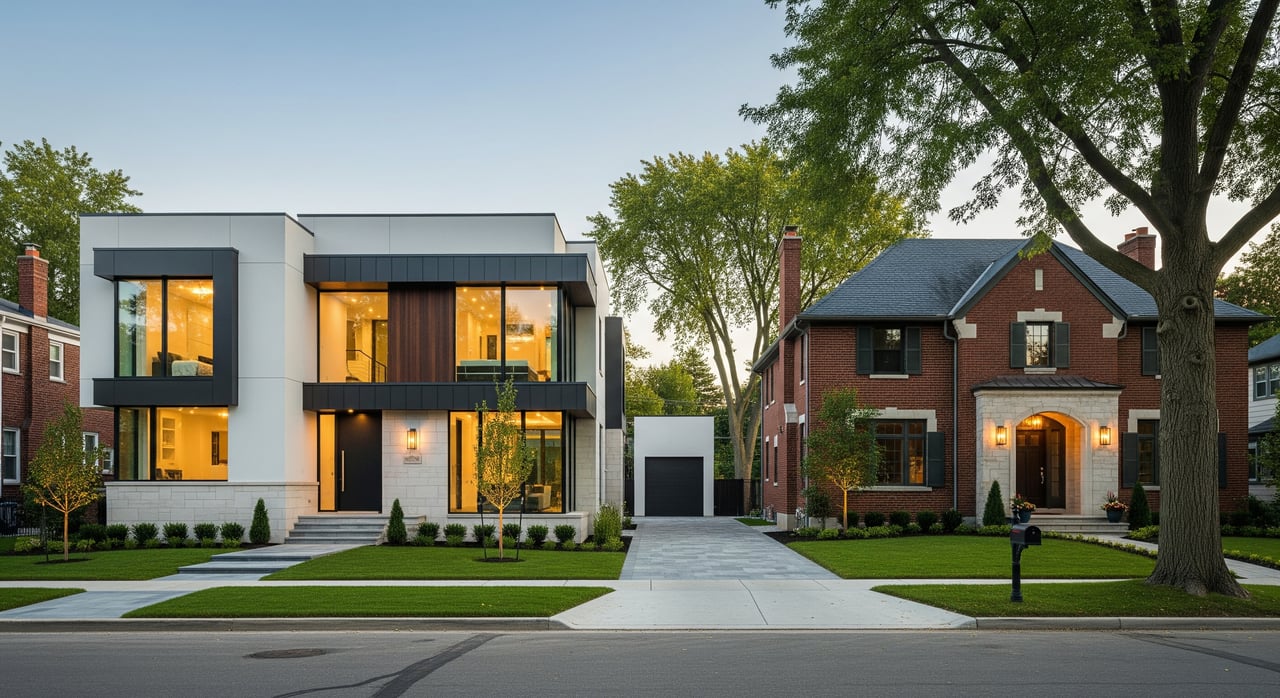
If you want modern layouts, energy-efficient systems, and the chance to personalize finishes, new construction can be appealing. If you value mature trees, established community character, and a faster move-in, a resale home may be a better match.
Price and total cost
Buying new and buying resale look similar on the surface, but the price components differ. Understanding each piece helps you compare apples to apples.
Base price vs upgrades
- Resale: You negotiate a list price that reflects the home as it sits, including lot, finishes, and existing features.
- New construction: You start with a builder’s base price that includes a lot and standard finishes. Many buyers then add options for kitchens, baths, flooring, lighting, and exterior elements. Those selections can meaningfully increase the final price.
Builders often price new homes at a per-square-foot premium compared with resale. The size of that premium varies by market conditions, lot quality, and finish level. Compare similar homes on lot size, age, finished square footage, and included features before judging value.
Lot premiums and HOA fees
Desirable lots, such as cul-de-sacs or those with views, can carry a premium in both new and resale markets. New subdivisions often include homeowners association fees for common-area maintenance or amenities. Established neighborhoods may have low or no HOA fees, but it varies by community. Ask for current fee schedules and any planned assessments.
Closing costs and incentives
Builders sometimes offer incentives like closing-cost credits or mortgage rate buydowns, typically tied to preferred lenders. Resale transactions follow traditional closing cost structures and depend on negotiation. Make sure you compare net costs, not just headline prices.
Taxes and operating costs
Newly platted lots can be taxed differently at first, and some new communities include special assessments for infrastructure. Resale homes reflect current assessed values. Beyond taxes, operating costs matter. New homes usually deliver better insulation, windows, and mechanicals, which can reduce utility bills. Older homes may have higher near-term maintenance needs for roofs, HVAC, or windows. Factor utility projections and a maintenance reserve into your budget.
Timeline and move-in speed
Your ideal move-in date plays a major role in choosing between new and resale.
Resale timing
A typical resale purchase can close in 30 to 60 days, depending on financing and contingencies. You can often move in shortly after the final walk-through and closing.
New construction timing options
- Inventory or quick-move-in homes: Already built or near completion. Often close in 30 to 60 days.
- Spec homes in progress: Move-in can range from 3 to 9 months, depending on build stage.
- Build-to-order or semi-custom: Plan for about 6 to 12 months from contract to completion in many markets.
- Fully custom: Expect 9 to 18 months or more, based on complexity and site work.
What can slow a new build
New construction involves more variables. Permits and municipal inspections must be completed. Weather can delay site work and framing. Materials and appliances may face supply constraints. Buyer change orders usually add time and cost. Roads, utilities, and community amenities may be phased and can affect delivery dates. Ask builders for anticipated completion windows and how delays are handled in the contract.
Customization and finishes
If you want to shape the look and feel of your home, new construction provides a range of choices. Know where customization starts and ends.
Levels of choice
- Inventory/spec homes: Limited customization, especially if the home is already framed or finished.
- Semi-custom or model-based: Choose from a builder’s design center for cabinets, counters, flooring, fixtures, and some structural options.
- Custom homes: Highest level of control over layout and finishes, and the longest timelines.
Upgrade costs add up
Builder base packages are designed to meet a price point. Popular upgrades like premium kitchen cabinets, quartz or stone counters, hardwood flooring, trim details, finished basements, and mechanical upgrades can raise the total quickly. Set a realistic allowance for design center selections before you sign.
How to compare specifications
Use a simple worksheet to compare a new build to a resale on total value, not just sticker price:
- Lot size, orientation, and any premium
- Finished and unfinished square footage
- Kitchen and bath materials, appliance brands, and counts
- Flooring types and coverage
- Windows, insulation, and energy features
- Age and capacity of HVAC, water heater, roof, and major systems
- Landscaping, driveway, and outdoor spaces
- Smart-home wiring or security features
- HOA fees, assessments, and amenity access
Inspections and warranties
Both new and resale homes deserve careful inspection and clear warranty expectations.
New build oversight
New homes must pass municipal inspections at key stages for a certificate of occupancy. These checks ensure code compliance but do not substitute for an independent inspector. Consider third-party inspections at pre-drywall and final stages to verify framing, mechanicals, and finishes.
Resale inspections
Order a standard home inspection and add specialty checks as needed, such as sewer scope, radon, or pest. Follow up on any flagged items with cost estimates so you can negotiate or plan repairs.
Typical builder warranties
Many builders follow a common warranty pattern: a limited 1-year workmanship warranty, possible multi-year coverage on mechanical systems, and a longer structural warranty, often up to 10 years for load-bearing components. Get all terms in writing, including how to submit punch-list items, response timelines, and whether warranties transfer to future owners.
Commute, amenities, and lifestyle
Your day-to-day routine should guide your choice as much as price and finishes.
New subdivision trade-offs
- Pros: Modern layouts, energy-efficient systems, new infrastructure, and planned amenities such as trails or open spaces. HOA oversight can support consistent curb appeal.
- Cons: Landscaping and trees may be young. Amenities can be phased in over time. You may experience construction activity nearby until the community is built out.
Established neighborhood trade-offs
- Pros: Mature trees and landscaping, established community character, and proximity to existing retail and services like the Twelve Oaks area.
- Cons: Older roofs, mechanicals, or windows may need updating sooner. You may budget for renovations to meet your style.
Commute and location checks
Novi offers quick access to regional routes like I-96, M-5, I-275, and I-696, which connect to employment centers across Oakland County and the broader Detroit region. Actual drive times vary by route and time of day. If a shorter commute is critical, test peak-hour drives from specific addresses. Also verify proximity to grocery, medical services, parks, and the specific schools that serve the address you are considering.
Decision framework: match priorities to property
Use these quick rules of thumb to narrow your search:
- If your move-in date is within 60 days, consider resale or a builder’s quick-move-in home.
- If customization is a top priority, look at semi-custom or custom new construction and plan for a longer timeline and a higher total budget.
- If you want the most square footage for the price, compare resale options in mature neighborhoods and budget for updates.
- If low maintenance and energy savings matter most, new construction often wins. Confirm the specific energy features.
- If you value mature landscaping and established amenities, start with resale neighborhoods.
Sample buyer profiles
- Young family planning for growth and wanting efficient systems: New construction or a recent build.
- Relocating professional with a firm start date and minimal downtime: Resale or quick-move-in new home.
- Empty nester seeking a quiet street, mature yard, and near-term move: Resale in an established neighborhood.
- Design-forward buyer who wants a specific kitchen layout and finishes: Semi-custom or custom new construction.
- Budget-focused buyer who wants value per square foot: Resale with a clear plan for updates.
Local due diligence checklist
Before you write an offer, confirm these items specific to the address and community:
- Current HOA fees, rules, and any special assessments
- Exact builder inclusions and the cost of selected upgrades
- Anticipated completion date and remedies for delays, if building new
- Warranty terms in writing, including what transfers to a future owner
- Independent inspection plan, including pre-drywall for new builds
- Permit history and certificate of occupancy for new homes
- Property taxes and assessment details through county records
- Commute tests at peak hours to your likely destination
- School attendance zones for the exact property address
When you weigh price, timing, customization, and lifestyle as a whole, the right choice becomes clearer. Some buyers prioritize turnkey efficiency and are happy to wait for a build. Others want the character and convenience of an established street and a faster move-in. The best decision aligns with how you live, how soon you need to move, and what you want to invest over the next few years.
Ready to compare real options side by side in Novi and nearby Oakland County communities? Connect with Deby Gannes for a calm, consultative game plan tailored to your timeline, budget, and lifestyle.
FAQs
How much more does new construction cost in Novi?
- It varies by builder, lot, and finish level. Compare price per square foot and adjust for lot size, age, energy features, and included upgrades to get a fair comparison.
Can I inspect a new home like a resale in Novi?
- Yes. Schedule independent inspections at pre-drywall and final stages. Municipal inspections are required for code, but a third-party inspector can catch finish and quality issues.
What warranties do Novi builders typically offer?
- Many follow a staged model: a limited 1-year workmanship warranty, possible multi-year coverage on systems, and a longer structural warranty, often up to 10 years. Confirm all terms in writing.
How fast can I move into a new build in Novi?
- Quick-move-in inventory can close in 30 to 60 days. Spec and semi-custom builds often range from 3 to 12 months depending on stage, weather, and materials.
Are new Novi neighborhoods farther from shops or schools?
- Some new subdivisions sit on the edges of town and may be a bit farther from established retail or schools. Check each address for distance and test drive times during peak hours.
Do builder incentives make new construction cheaper overall?
- Incentives like closing-cost credits or rate buydowns can help, but you should compare the full picture, including upgrades, HOA fees, taxes, and long-term operating costs.