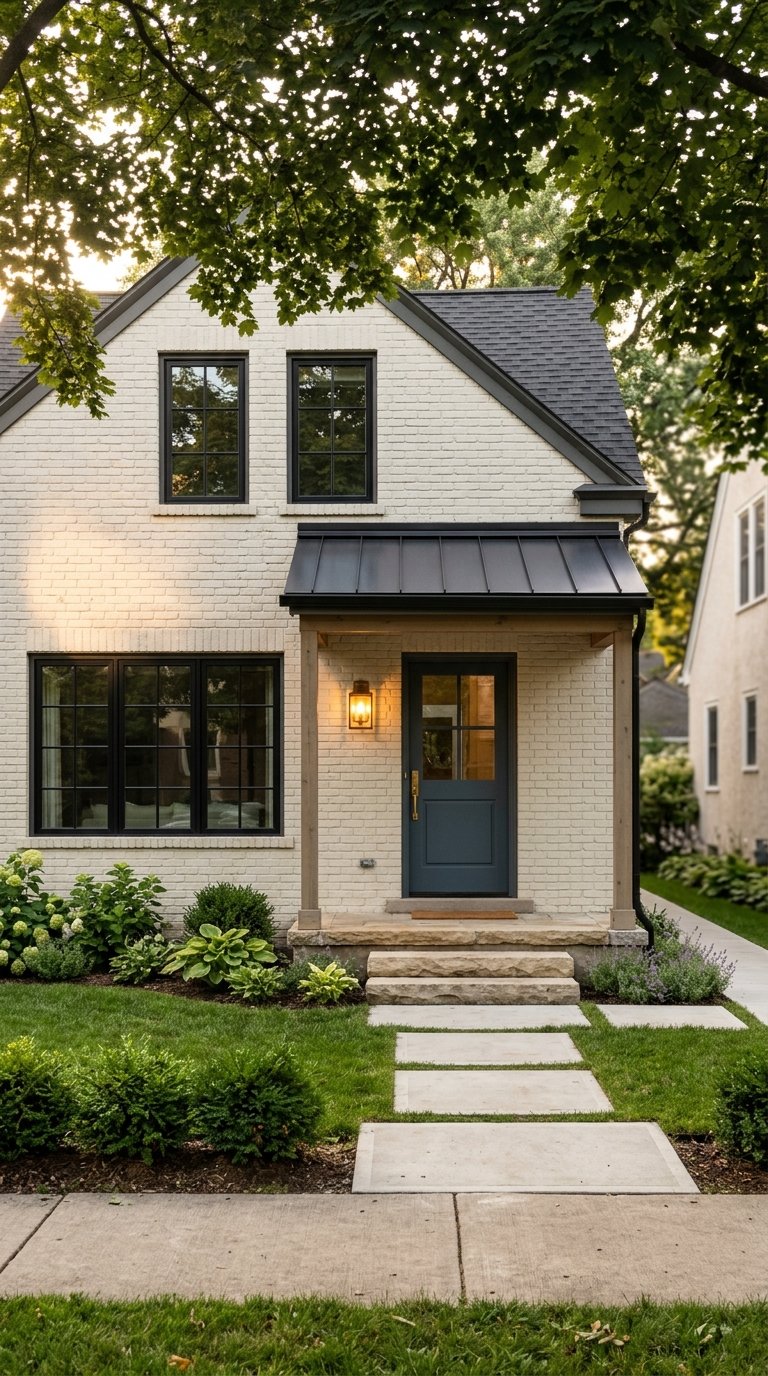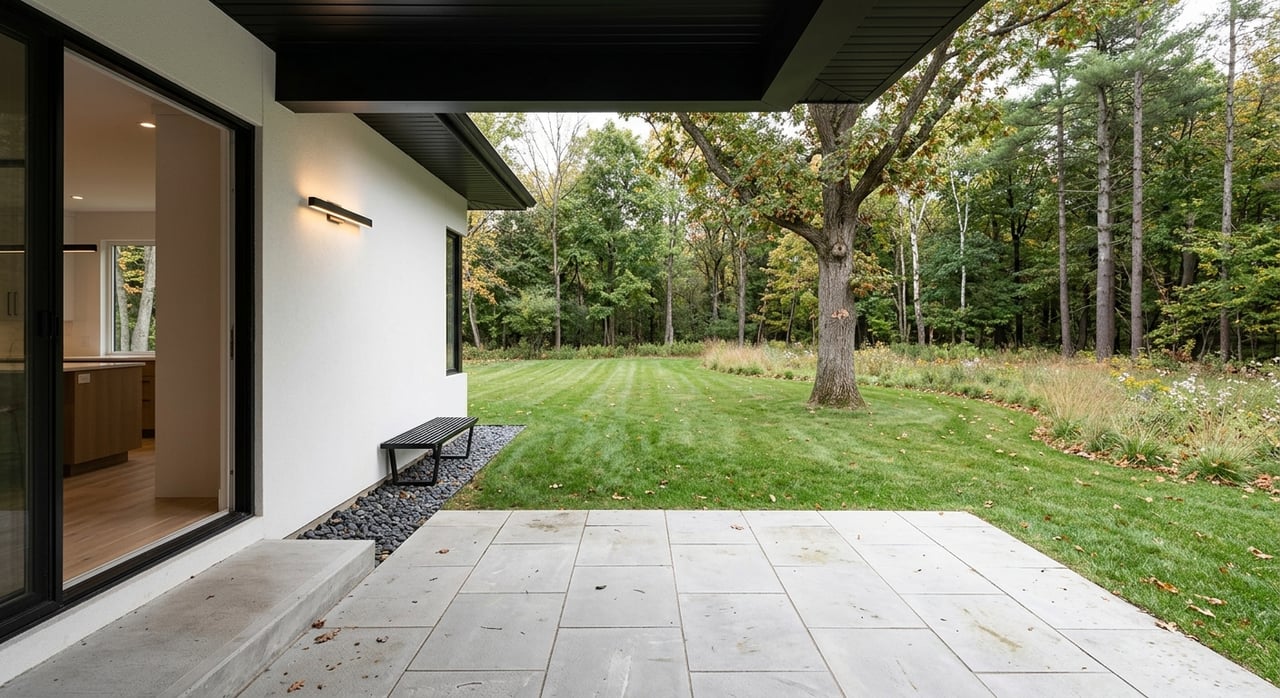
If you are drawn to the idea of more land, more privacy, and a quieter setting without leaving Oakland County, Oakland Township likely feels different the moment you start looking. The appeal here is not just the house itself. It is the combination of open space, larger parcels, and the chance to build something that fits the way you want to live. If you are considering new construction or raw land in Oakland Township, understanding the local process early can help you avoid expensive surprises and move forward with confidence. Let’s dive in.
Why Oakland Township stands out
Oakland Township offers an open-space feel that is hard to find in much of Oakland County. According to the township, the local park system includes more than 1,500 acres across 16 parks, along with greenspaces and the Paint Creek Trail area and natural stewardship lands. That preserved-land character is a major reason buyers look here when they want a more rural setting.
For many buyers, that setting is worth paying a premium for. Current active listings on Oakland Township search results show a relatively limited supply of homes, including new-construction options priced around $999,900, $1.225 million, $1.895 million, $2.02 million, and $3.95 million. The same search also shows land offerings ranging from about $399,900 for 1.29 acres to $899,000 for 20.35 acres.
That price point sits above several nearby markets. Zillow’s current average home values are about $447,005 in Troy, $447,624 in Rochester Hills, and $378,259 in Farmington Hills, which helps explain how Oakland Township is positioned. In simple terms, you are often paying more here for land, privacy, and a different setting.
New construction vs land purchase
Buying a completed or nearly completed new-construction home is usually more straightforward than buying raw land. With a spec home or builder inventory home, much of the permitting, site planning, and infrastructure work may already be underway or complete. That can reduce uncertainty, although you still need to review contract terms carefully.
Buying land gives you more flexibility, but it also adds more moving parts. You are not just choosing a lot. You are evaluating whether the parcel can support your home plans, utilities, access needs, and any future goals you may have for the property.
That distinction matters in Oakland Township because local approvals shape the timeline in a meaningful way. If you want a custom build on acreage, due diligence needs to start before you commit to the parcel, not after.
What makes land buildable
A parcel is not automatically buildable just because it looks large enough on paper. In Oakland Township, the Planning & Zoning Department oversees land-use decisions, and the township notes that zoning rules control where structures can go, as well as their size and height. The Planning Commission may also review site plans, rezoning requests, special land uses, subdivisions, and condominium developments.
The township’s zoning framework includes multiple residential density categories, plus other districts and planned unit development options. That means two parcels with similar acreage may not offer the same building possibilities. Before you move ahead, you should verify the zoning district, any overlays, and whether there are prior approvals or restrictions that affect what can be built.
This is especially important if you want a larger home, accessory structures, or long-term flexibility. The best parcel for you is not just the one with enough land. It is the one that aligns with your actual plans.
Can you split the land later?
Maybe, but you should never assume that future splits are available. In Michigan, the Land Division Act governs land divisions and is designed to support suitable building sites, drainage, access, and proper approvals.
The number of divisions that may be allowed depends on the size and legal history of the parent parcel. So if you are buying acreage with the idea of creating another buildable lot later, that needs to be confirmed up front. A parcel’s past matters just as much as its current dimensions.
Permits and local review timelines
Even when a parcel looks promising, the approval path still affects your schedule. Oakland Township states that residential and commercial plans must be submitted for review, and permit processing typically takes 4 to 6 weeks. That timeline is before construction is complete and separate from the builder’s own production schedule.
The township also outlines a multi-step inspection process for new residential construction. Common inspections include footing, backfill, rough, insulation, and final inspections. In other words, your timeline is shaped by both the build itself and the township review process.
If you are comparing builders, this is one reason local experience matters. A builder familiar with the township process may be better prepared to navigate submissions, inspections, and scheduling on your behalf.
Wells, septic, and site work
Many acreage properties in Oakland Township rely on private well and septic systems rather than municipal water and sewer. Oakland County explains that on-site sewage disposal systems are the viable alternative where municipal sewer is not available, and the county handles permits, inspections, and subdivision reviews with EGLE.
That has real budget and planning implications. Oakland County lists a new residential septic permit for vacant land at $325 and a new private well permit for vacant land at $260. Those are not the only costs involved, but they are part of the early due diligence picture.
Septic feasibility can also affect whether a lot works at all. The county’s review includes soil conditions and available space, and if the site conditions are not acceptable, a permit can be held or denied. That is why soil and utility feasibility should come before design decisions whenever possible.
Access, grading, and erosion control
Oakland Township’s new residential building requirements make it clear that several site-related items must be addressed early. For a new home, the township requires a valid septic permit, a driveway permit if the lot is on an Oakland County road, a soil erosion permit unless one is already in place, engineered site grading plans, proof of ownership, and a non-refundable deposit.
That means a beautiful lot is only part of the story. You also need to know how you will enter the property, how water will drain, and whether the site can support the proposed home design. These details influence both timeline and total cost.
Private well ownership comes with maintenance
If your future home will use a private well, that responsibility continues after move-in. Oakland County notes that private wells are not tested regularly by the government, and it recommends annual bacteria and nitrate sampling, along with arsenic testing every few years.
For buyers, the key takeaway is simple. A well is not just an installation item. It is an ongoing maintenance item, and that should be part of your long-term ownership budget and planning.
Builder contracts need careful review
With new construction, the contract can be just as important as the home itself. The Consumer Financial Protection Bureau says builders may ask for an upfront deposit on a home that is not yet built, and buyers should ask when that deposit is refundable. The CFPB also notes that you do not have to use the builder’s affiliated lender, and it recommends keeping financing and satisfactory-inspection contingencies when possible.
That advice is especially relevant when land and site work are part of the deal. In Oakland Township, septic approvals, driveway permits, grading plans, and township review can all affect timing. Your contract should give enough room for those steps rather than assuming construction starts immediately.
Do not skip an independent inspection
Yes, you should still get an inspection on a new build. The CFPB recommends scheduling an independent home inspection as soon as possible, and inspection contingencies may protect you if significant issues are found.
New does not always mean flawless. An inspection can help you identify workmanship issues, incomplete items, or concerns that need to be addressed before closing.
Understand the warranty details
It is also smart to separate a builder warranty from any home warranty or service contract. The Federal Trade Commission explains that warranties on new homes can vary in terms of coverage, claims handling, and provider structure.
Before you sign, ask who handles punch-list items, what is covered for systems and structural components, and how claims are submitted. Clear answers on those points can save you frustration later.
A practical approach for buyers
If you are considering new construction or land in Oakland Township, a measured approach usually works best. The market can be appealing, but the process is layered. Patience and early research tend to protect your budget and your timeline.
A smart buyer checklist often includes:
- Confirm the parcel’s zoning and permitted use
- Ask whether there are overlays, restrictions, or prior approvals
- Verify whether well and septic will be required
- Review soil, drainage, driveway, and grading requirements early
- If future land splits matter, confirm the parcel’s legal history and division potential
- Review builder deposit, timeline, change-order, and warranty terms carefully
- Keep inspection and financing protections when possible
- Compare lenders rather than assuming the builder’s lender is your best option
In a market like Oakland Township, the best opportunities are often the ones where the details have been reviewed before emotions take over. That is true whether you are buying a finished new build or starting with raw land.
If you want guidance as you evaluate lots, builders, or new-construction opportunities in Oakland Township and the surrounding Oakland County market, Deby Gannes offers the kind of experienced, consultative support that can help you ask the right questions early and move forward with clarity.
FAQs
What makes land buildable in Oakland Township?
- Buildability depends on zoning, approvals, site conditions, and whether the parcel can support required items like septic, access, grading, and setbacks.
Can you split land later in Oakland Township?
- Possibly, but future land splits depend on zoning, local approvals, and the parent parcel’s size and legal history under Michigan’s Land Division Act.
Do Oakland Township lots usually need well and septic?
- Many acreage parcels do, and Oakland County is the permit authority for private wells and on-site septic systems where municipal utilities are not available.
How long do Oakland Township building permits take?
- The township says permit processing typically takes 4 to 6 weeks, and the full timeline also includes required inspections and site-related approvals.
Should you get an inspection on a new-construction home in Oakland Township?
- Yes, an independent inspection is still recommended because new construction can still have issues that need to be identified before closing.
Do you have to use a builder’s lender for new construction?
- No, the CFPB says you are not required to use the builder’s affiliated lender, so it is wise to shop around and compare options.